Solar panels are designed to reduce energy costs and provide reliable clean power. However common issues creep in over time and systems gradually underperform without the homeowner realising it.
A homeowner who spent $45,000 learned this firsthand when 12 panels failed and the battery stopped charging, cutting their independence to 65% and driving up their bills.
Underperforming solar panels rarely show obvious warning signs. Their decline hides in rising bills, fluctuating charts, and gradual drops in output.
Here’s how to recognise these warning signs before they impact your investment.
Your system produces less power than usual, even on sunny days
You open your solar monitoring app and notice your system is producing only half its normal output, even though the weather has been clear all week. Yesterday’s production graph shows 15 kWh when it normally averages 30 kWh this time of year.
This kind of drop can be caused by partial shading from new tree growth, accumulated dust or debris on the panels, or deteriorating panel efficiency from age or microcracks. A loose connection or wiring fault can limit how much current reaches the inverter, dragging down the whole system’s performance.
- Risks: You risk losing hundreds of dollars in energy savings over time while unknowingly drawing more power from the grid. Continuous underperformance can also accelerate wear on other system components as they compensate for the lower output.
- Solution: Check your monitoring data against past production levels. Schedule an inspection to look for shading, soiling, or electrical faults.
Your electricity bill doubles despite the same usage
Your power bill has doubled from $200 to $400 without any shift in your daily routines. The numbers suggest higher energy rates, but your solar system’s output charts show a clear drop despite steady sunshine.
System inefficiency and performance loss are common when solar output falls and grid use increases. A high electricity bill with solar indicates inactive panels, inverter failures, or a battery that is no longer charging fully.
- Risks: The inverter may run at suboptimal loads and undercharging or erratic charging cycles can damage battery cells. Note that a single failing panel can drag down the performance of all panels in the same string.
- Solutions: Check your inverter and battery logs for warning lights or low-voltage events, and compare current production to past seasonal averages. Have a licensed solar repair specialist test the strings, wiring, and inverter load performance.
Cracks, chips, hotspots, or grime layers
Cracks and chips usually develop from thermal stress, hail impact, or roof movement. Hotspots form when individual cells or sections overheat due to microcracks, shading, or internal cell damage. Grime layers like dust, pollen, bird droppings, and coastal salt can block sunlight and trap heat against the glass.
- Risks: Cracked or shaded cells disrupt current flow, dragging down the voltage of the entire string. Cracks allow moisture to enter the laminate, corroding internal connections and accelerating delamination.
- Solutions: Book a licensed solar maintenance service to conduct a full safety inspection, clean the panels using the correct equipment, and use infrared imaging to detect hidden hotspots.
Production levels jump up and down throughout the day
You check your monitoring app and see your solar output graph spiking from 4 kW down to 1 kW, then back to 3.5 kW within the same sunny hour. The weather hasn’t changed, yet your system behaves like it’s switching on and off.
This pattern indicates intermittent electrical faults that temporarily break the circuit and drop production. It can also signal a failing inverter struggling to maintain a steady power conversion or panel degradation creating current mismatch between modules.
- Risks: Repeated ramping stresses internal components. Inconsistent current flow between panels can trigger bypass diodes and lower total array output.
- Solutions: Review the production graph for sudden dips, spikes, or flatline readings. Screenshot or export the data so the solar technician can see what you’re seeing.
Disclaimer: Do not open, unscrew, or touch solar components or rooftop panels. Even when turned off, solar panels generate live DC electricity and can cause severe shocks.
Your inverter dashboard shows low voltage, inverter faults, or zero output
These types of alerts are triggered by inverter malfunctions, DC overcurrent, or grid-side connection faults. They can also come from tripped isolators, string disconnections, or severe voltage drops caused by loose wiring or corroded terminals.
| Common Error Icons on Solar PV Systems | Description |
| Red or flashing fault light | Inverter has detected an issue and may have shut down. |
| Amber/yellow warning light | System may still be running at reduced capacity |
| DC Undervoltage | Panels are producing below the minimum voltage |
| Inverter Offline | The inverter has stopped converting DC to AC |
| Battery Disconnected | Battery is not storing or reporting energy correctly. |
- Risks: Repeated fault cycling stresses internal components and can burn out capacitors or diodes.
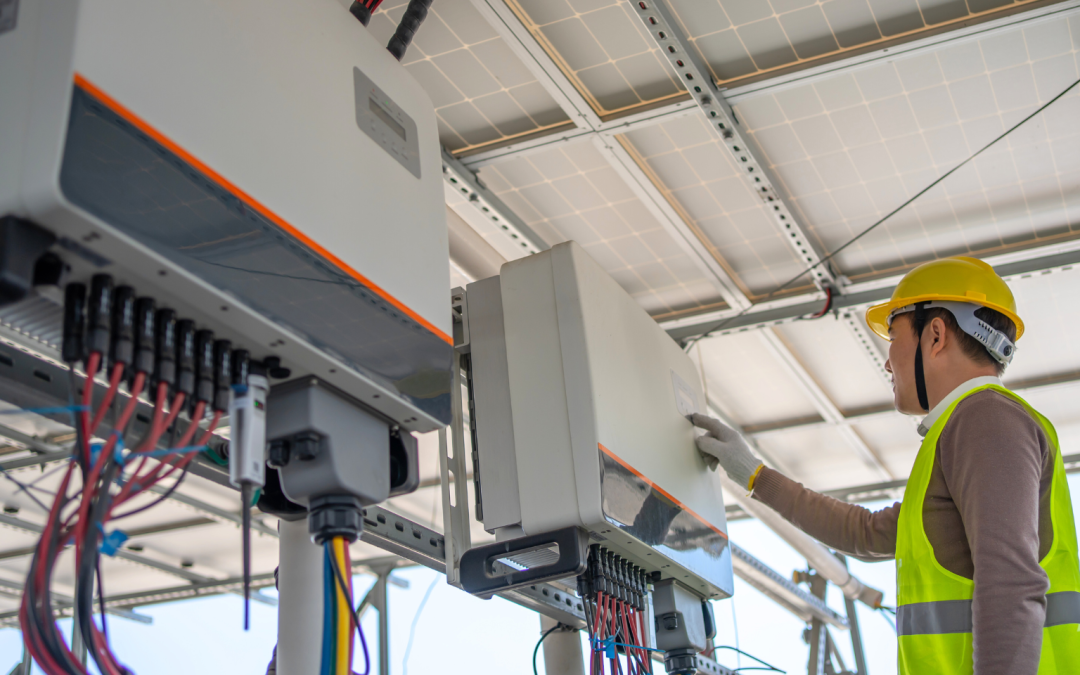
- Solutions: These faults require expert solar servicing due to the risks of high-voltage equipment. While waiting for a solar technician, gather key details by noting error codes, capturing app screenshots, and recording the first appearance of each alert.
Stay Ahead of Solar Underperformance – Find Trusted Solar Experts Near You
Just like those first quiet signs on your dashboard or bills, underperformance rarely announces itself. You can either wait until your panels fail completely or catch the signs early and keep them running like new.
Book a professional solar health check if any of these warning signs look familiar. Acting early will restore lost efficiency and keep your system producing the power and savings you expect.
Explore vetted tradies and industry insights on Tradie Near Me – a platform where you can find reliable solar professionals and discover more guides like this one.
Frequently Asked Questions
What is the lifespan of a solar panel?
Most solar panels last 25 to 30 years. Note that power output gradually declines over time at a rate of about 0.5% to 1% per year. Panels continue to generate electricity well beyond their warranty period if maintained properly.
What is the 20% rule for solar panels?
The 20% rule refers to panel efficiency, meaning the panel converts 20% of the sunlight it receives into usable electricity. Panels with higher efficiency can produce more power in limited roof space.
How often do solar panels need to be serviced?
Solar panels should be professionally inspected and serviced every 1 to 2 years. Regular servicing includes checking for electrical faults, cleaning dirt or debris buildup, and verifying the inverter and wiring are operating correctly to maintain system performance and safety.