
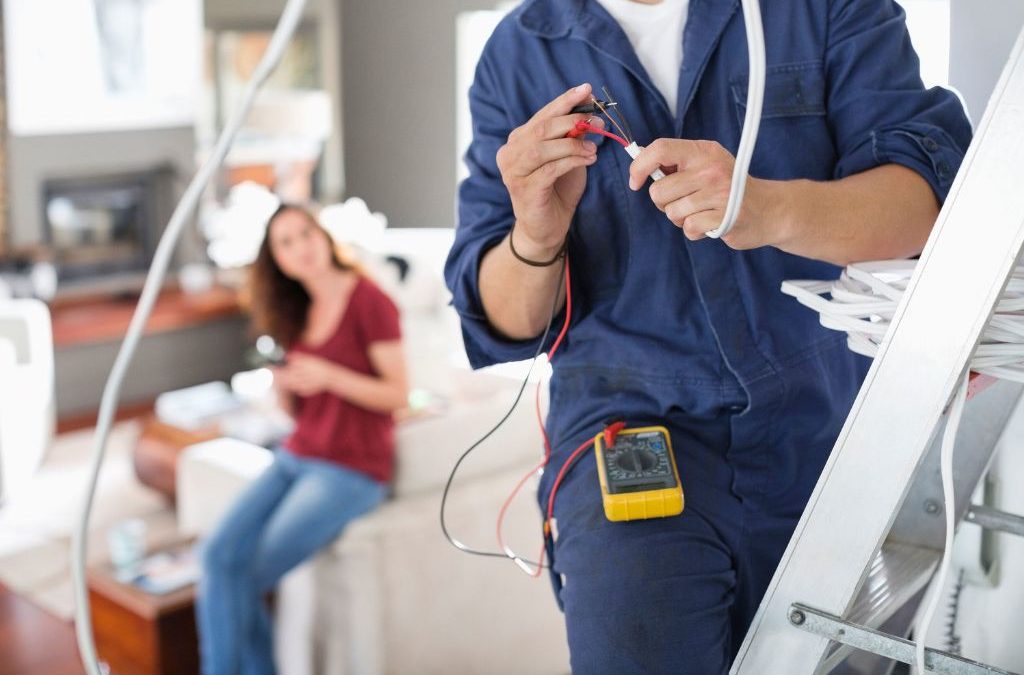
A well-looked-after electrical system lasts longer, runs cooler, and is far less likely to fail at the worst moment. The secret is not expensive gadgets. It is a mix of sensible maintenance, small upgrades, and safer day-to-day habits.
Use the five tips below to reduce wear, protect equipment, and keep your home running smoothly.
1. Book regular inspections and modernise the switchboard
Small faults turn into big problems when they are left alone. “Ask a licensed electrician to inspect the switchboard, test safety switches, check earth continuity, and tighten terminations,” advises Metropolitan Electrical Contractors. Loose connections create heat that ages insulation and trips breakers for no clear reason.
If you still have rewireable fuses or a crowded board, upgrade to a modern switchboard with individual RCBOs for final sub-circuits and a proper surge diverter. Label everything. Good labelling helps future work proceed without guesswork, which reduces the risk of damage.
Electrical incidents are rare, yet the consequences can be severe. Energy Safe Victoria reported one fatality and three serious injuries associated with Victoria’s electricity networks in 2021 to 2022. Sharing credible safety statistics helps owners take maintenance seriously.
2. Keep heat under control
Heat is the enemy of electrical life. Give your system an easier time by spreading high-load appliances across circuits where possible and by avoiding long, continuous overloads. Do not daisy-chain power boards.
Use quality boards with overload protection and built-in surge suppression. Coiled extension leads act like a heater under load, so unroll them fully. Keep the switchboard and meter enclosure clean and dry, and leave clear space around ventilation slots.
In roof spaces, do not bury junction boxes under insulation and keep downlight transformers clear of bulk insulation. Cooler gear lasts longer, and it is less prone to nuisance tripping.
3. Fit whole-home and point-of-use surge protection
Voltage spikes shorten the life of electronics, motors, and LED drivers. A Type 2 surge protective device in the switchboard clamps most surges that arrive on the mains.
Add point-of-use protection for sensitive items like the home office, media system, or fridge with smart controls.
Where your internet and TV antenna enter the home, protect those lines as well. Surges often ride in on data and coax, not only on the active conductor.
After any large storm or visible surge event, have protection devices checked or replaced if their indicators show they have sacrificed themselves.
4. Reduce unnecessary run-time and standby losses
Every hour a device runs is another hour of heat and wear on capacitors, transformers, and fans. Use smart plugs and timers so pumps, heated towel rails, and entertainment gear do not run all day. Review appliance settings and select eco modes where they meet your needs.
Standby still draws power, and it adds up. Energy.gov.au notes that standby power can account for about 10 percent of a household’s electricity bill, which is real money and needless wear on power supplies.
Lighting is an easy win. Replace remaining halogens with quality LEDs and choose reputable brands with good driver design. Cooler, efficient LEDs place less stress on fittings and cabling.
They also reduce transformer and dimmer wear, since many old transformers run hot when paired with halogens.
5. Maintain cables, outlets, and appliances the right way
Set one day each year to walk the house and look for early signs of trouble. Replace brittle flex cords, discoloured outlets, cracked plates, and noisy fans. A warm outlet face or a plug that smells of hot plastic is a warning.
Replace stainless braided flexi hoses on the washing machine and dishwasher before their stamped replacement date to avoid leaks that soak cables and boards.
Outdoors, use weatherproof outlets with intact seals and the correct IP rating. Keep vegetation off service lines and arrange professional clearance around aerials and the point of attachment.
Portable RCDs are useful for outdoor tools, yet they do not replace fixed protection. Test fixed safety switches using the test button every three months. If they do not trip, call an electrician.
Clean lint from the back of the dryer, the fridge coils, and bathroom exhaust grilles so motors run cooler.
For the oven and cooktop, check that the isolating switch is accessible and that the cable glands are tight, since heat and vibration can loosen them over time.
Bonus habits that protect the whole system
- Plan loads: Avoid running the kettle, toaster, iron, and portable heater on the same circuit at the same time.
- Manage EV charging and big draws: If you have an electric vehicle, a spa, or large air conditioning, talk to your electrician about load management so the main switch and service fuse are not stressed.
- Record work and warranties: Keep a folder with Certificates of Electrical Safety, surge device install dates, and appliance receipts. Clear records help future electricians maintain rather than replace.
- Use quality parts: Cheaper fittings often have poor contact springs and thin plating. Better parts grip plugs firmly and stay cooler, which means less maintenance and fewer failures.
When to call a professional
Stop using any circuit that trips repeatedly, any outlet that feels hot, or any appliance that tingles when touched. Burning smells, buzzing at the switchboard, or lights that flicker in several rooms at once warrant an immediate call.
Do not open the switchboard yourself. Licensed electricians can diagnose with an insulation resistance tester, a thermal camera, and a logging meter, then make repairs that extend the life of the whole installation.
Bringing it all together
Electrical systems do not fail suddenly without leaving clues. Tight connections, cooler operation, good surge protection, sensible load management, and small annual repairs extend service life by years.
You also reduce safety risks and day-to-day hassles. Start with an inspection and a switchboard tidy-up, add surge protection, trim standby use, and keep on top of small faults. Your home will run quieter and cooler, and the equipment you rely on will last longer.
Related posts:
 Common Electrical Hazards In Homes And How To Prevent Them
 7 Ways To Prevent Electrical Fires
 How Much Does Upgrading Your Electrical Switchboard Cost?
 Cutting And Safety Tips For Wet Cut Concrete Sawing
 7 Electrical Upgrades That Will Increase The Value Of Your Home
 How Long Do Solar Panels Last & Tips To Boost Its Lifespan