
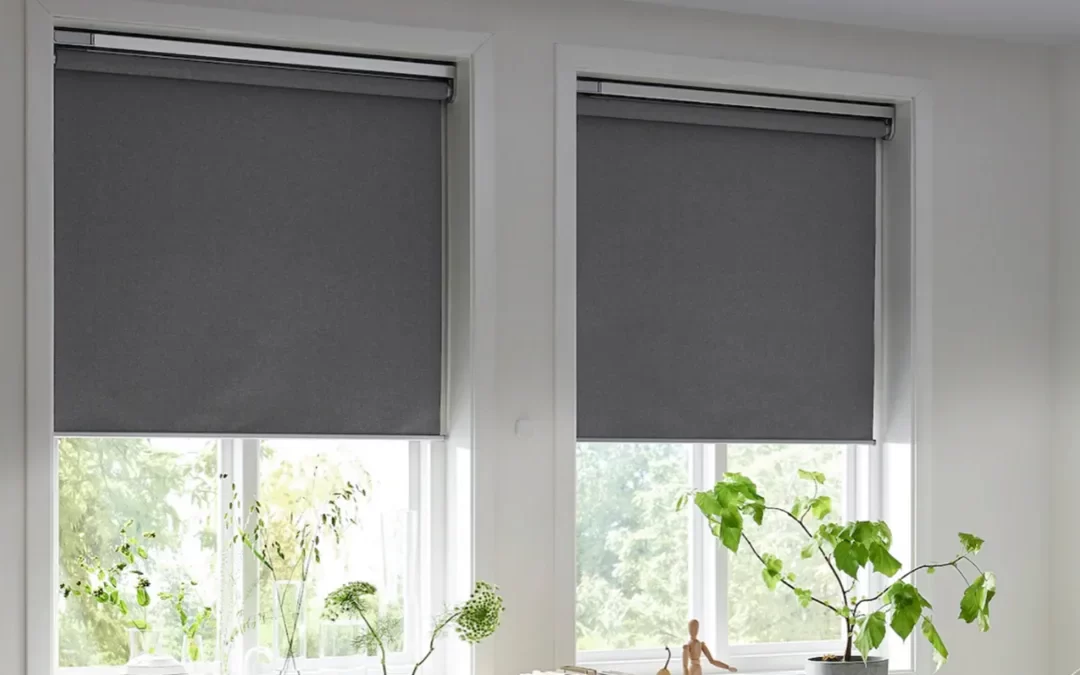
Smart blinds have become one of the fastest-growing smart home upgrades in Australia. Once found mainly in luxury homes, they are now a practical option for new builds, renovations, and retrofit projects thanks to advances in motor technology and wireless automation.
Homeowners choose smart blinds to help regulate indoor temperature, increase privacy, reduce glare, and support better energy efficiency. This guide explains how smart blinds work, their main benefits, and what to consider before installing them.
How Do Smart Blinds Work?
Smart blinds combine a window covering with an electric motor and a control system. The motor powers the blind’s movement, allowing it to open, close, raise, lower, or tilt without being adjusted by hand. Some systems run on rechargeable battery motors, while others are hardwired into the home’s electrical system. Some systems run on rechargeable battery motors, while others are hardwired into the home’s electrical system.
Depending on the system, smart blinds can be controlled using:
→ Remote control
→ Smartphone app
→ Voice assistants
→ Timers and schedules
→ Smart home automation
→ Sunlight or temperature sensors
Multiple window coverings can be controlled with a single command or scheduled to respond automatically throughout the day based on time, sunlight, or household routines.
Why More Australians Are Choosing Smart Blinds
According to the Australian Government, up to 87% of a home’s heat gain and up to 40% of heating energy loss can occur through windows. This is one reason more Australian homeowners are choosing smart blinds.
Homes with large glass areas, west-facing windows, and outdoor entertaining spaces can use automated blinds to manage sunlight throughout the day. In hot weather, they can lower during peak afternoon sun, while in cooler regions, they can close at dusk to help retain warmth inside.
The main value comes down to three practical areas: improved energy efficiency, smart home integration, and perfect for modern living.
#1 Improved Energy Efficiency
Instead of relying on manual adjustments, blinds can follow a set schedule based on sunlight, time of day, and room use.
For example:
- Close blinds automatically at sunset to help retain warmth during winter.
- Lower sunscreen blinds during hot afternoons to reduce solar heat gain.
- Open blinds in the morning to make better use of natural daylight.
These automatic changes can help reduce the workload on heating and cooling systems while creating a more consistent indoor environment throughout the day.
#2 Seamless Smart Home Integration
Each system plays a different role in smart blind automation. Voice platforms handle commands, communication standards connect devices, and control hubs link compatible motors to apps and schedules.
| System | Technical role |
| Google Home | App control, voice control, routines, and device grouping. |
| Apple Home | Siri control, scenes, automations, and Apple device integration. |
| Amazon Alexa | Voice commands, routines, and Echo device control. |
| Matter | Cross-platform device compatibility. |
| Zigbee | Wireless device communication between motors, sensors, and hubs. |
| TaHoma | Control hub for compatible Somfy blinds, curtains, shutters, and awnings. |
| Pulse 2 | Control hub for compatible motorised blinds, schedules, app control, and voice integration. |
| Neo | Control hub for compatible motors, app control, schedules, automations, and voice integration. |
Before choosing smart blinds, confirm that the motor, control hub, and preferred smart home platform are compatible. This helps create a reliable automation system from installation onwards.
#3 Perfect for Modern Living
Modern homes place greater emphasis on connected technology, open living spaces, and everyday convenience. Smart blinds fit naturally into this style of home by reducing daily tasks and improving control over natural light.
Popular applications include:
→ Large feature windows
→ Open-plan living areas
→ Double-height windows
→ Skylights
→ Outdoor entertaining spaces
Start with the rooms used most throughout the day. This allows automation to deliver practical value before expanding it across the rest of the home.
Are Smart Blinds Difficult to Install?
Not necessarily. The installation process depends on the motor type, window size, blind style, and smart home setup. Existing homes and new builds have different installation needs.
| Project type | Best fit | What to check |
| Existing homes | Battery-powered smart blinds | Window measurements, motor strength, battery access, and Wi-Fi or hub coverage |
| New builds and larger renovations | Hardwired smart blinds |
Wiring locations, switch points, hub placement, and smart home compatibility |
Battery-powered systems suit completed homes where additional wiring is not practical. Hardwired systems are better suited to projects already in the construction or renovation stage, where electrical planning can be completed before installation.
Are Smart Blinds Worth the Cost?
While smart blinds cost more upfront than manually operated alternatives, many homeowners consider the additional investment worthwhile for:
→ Improved comfort
→ Better energy efficiency
→ Greater convenience
→ Enhanced privacy
→ Increased accessibility
→ Modern smart home functionality
The value becomes even greater in homes with multiple blinds, large glass areas, or windows that are difficult to access, where automation can reduce the need for repeated manual adjustments.
Choosing the Right Smart Blind System
Selecting compatible motors and automation platforms helps support future upgrades and keeps the system reliable for years. The ideal solution depends on several factors, including:
→ Motor type
→ Power source (battery or hardwired)
→ Window size and blind weight
→ Existing smart home platform
→ Budget
→ Installation stage
For homeowners wanting a deeper understanding of available motor types, automation features, installation options, and smart home compatibility, a smart blind motorisation guide can help explain the different systems available.
Are Smart Blinds Worth It?
Yes, especially when the system is chosen around the way your home is used each day. Rooms exposed to strong afternoon sun, spaces that need regular privacy, and windows that are difficult to access tend to deliver the greatest return from automation. Choosing the right motor, power source, and control system helps create a setup that fits your home and supports future electrical upgrades.
Related posts:
 7 Electrical Upgrades That Will Increase The Value Of Your Home
 Different Types Of Smoke Alarms In Australia
 What Is A Virtual Power Plant? A Decision Checklist
 Soaring Appliance Running Cost: Survival Guide For Australians
 How to Safely Remove Window Glass
 8 Steps For Preparing Your Home For The Aussie Winter