
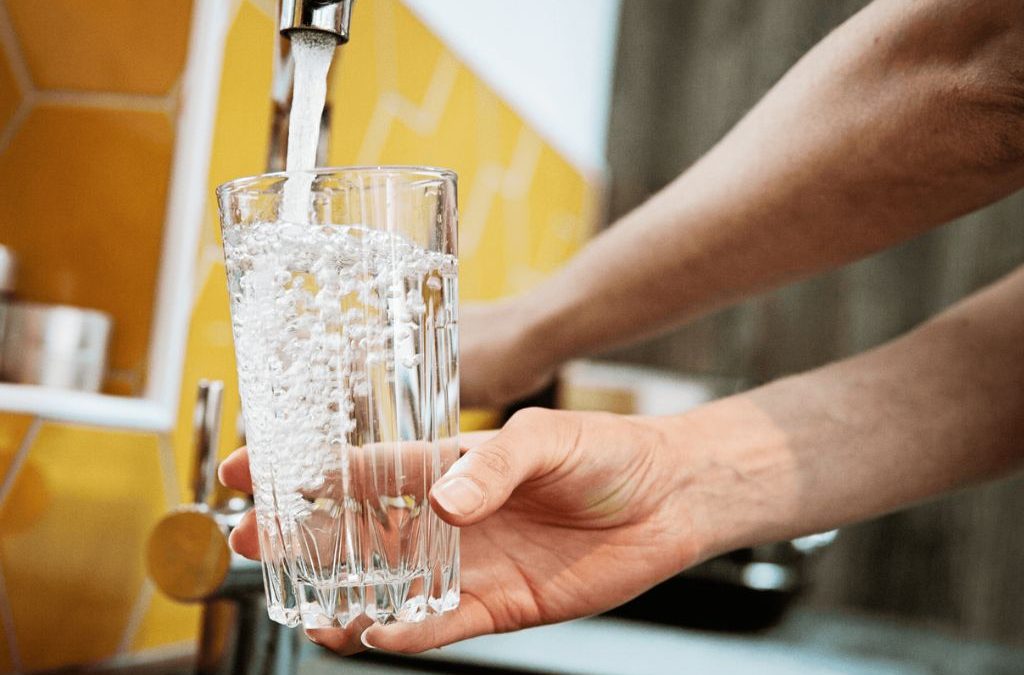
Whether you’re a local or a visitor, it’s a question that’s always reasonable to ask in the beautiful Queensland capital: Can you drink tap water in Brisbane?
So let’s not beat around the bush:
In almost all normal circumstances, yes – Brisbane’s mains tap water is:
- Treated
- Tested
- And supplied to meet Australia’s drinking water standards.
In a nutshell, that’s why most locals don’t think twice before drinking it straight from the tap. Can you drink the tap water in Brisbane? Absolutely yes.
‘Safe’ doesn’t always mean ‘perfect’
But there’s always another side to the coin – because while Brisbane tap water is absolutely safe, that doesn’t mean it’s absolutely perfect for everyone’s taste or preference. Another important point to note is that extreme weather – like floods – can change what’s coming out of your tap on a given day.
Remember Brisbane’s last major flood event in late February 2022? Those terrible memories are a useful reminder that water systems can be majorly impacted by big rain events – even when the supply remains generally safe.
Where Brisbane tap water comes from (And who’s responsible)
Let’s dive a little deeper now – where does our water even come from?
Brisbane’s drinking water is part of the South East Queensland Water Grid.
In simple terms:
- Seqwater captures and treats bulk water (from dams, weirs and catchments) for SEQ.
- Urban Utilities (and other local distributors in SEQ) manage the local network that delivers water to homes and businesses.
- And they then report on drinking water performance.
So when you’re drinking Brisbane tap water, you’re drinking water that has been collected, treated, monitored, and then distributed through a managed network. So there’s no risk that you’re drinking ‘raw’ river or dam water.
What authorities do to it (What gets removed, and what stays)
Brisbane drinking water treatment typically includes multiple barriers that are all designed to remove:
- Sediments
- Organics
- And pathogens.
Then, the water is kept safe as it travels through the pipes to your tap.
Depending on the source and conditions, treatment can include steps like coagulation/flocculation and filtration (to remove fine particles), and disinfection (to inactivate germs). Then, ongoing monitoring and corrective action is taken if the results are outside targets.
To sum that all up … Brisbane tap water is perfectly drinkable!
On top of that, some things may be added in controlled amounts as part of public health or system management. One example is disinfectant residuals, which protect the water as it moves through the network. So it’s not only the water itself, but its journey to your tap that is taken care of.
Can you drink tap water in Brisbane floods?
However, devastating floods – and we’ve all seen these, haven’t we? – change the story a little. Because during major rain events and floods, the most important rule when it comes to drinking Brisbane tap water is: Don’t guess!
If authorities issue a boil water alert (or “do not drink” notice) for your area, follow it immediately – even if the water looks fine. If they do not issue an alert, Brisbane tap water is typically still safe, even if weather has been extreme. Just remember that taste and odour changes can happen after storms without really being a safety issue – but you should still check official advice if anything seems off.
8 Practical checks to know if your tap water is safe today
Just want to know – for sure – if your tap water is safe right now? Here’s how to decide what to do:
1. Check for an official alert first
Before anything else, look for an announcement from your local water provider/authorities for your suburb. If there’s a boil water notice, it overrides everything below.
2. Look closely at the water in a clear glass
A little cloudiness from tiny air bubbles can clear in a minute and isn’t unusual. But persistent brown, muddy, gritty, or oily-looking water is a red flag.
If it’s discoloured: Avoid drinking it for now and check for an outage/incident update.
3. Smell it (Briefly)
An ‘earthy’ or ‘pool-like’ smell doesn’t automatically mean unsafe – because seasonal compounds and disinfectant residual can affect smell and taste.
But stop and think if it smells like:
- Sewage
- Fuel
- Chemicals
- Rotten eggs.
Because that’s going to need further investigation before you gulp it down the hatch!
4. Notice whether the issue is only in one tap
If only one tap is affected, it may be local to that fixture. In that case, it may be an old aerator, a problem with a flexible hose, or an internal plumbing issue that needs attention.
If every tap is affected, it’s more likely supply/network related.
5. Run the cold tap for a short period
If water has sat in pipes overnight, flushing briefly can help. If it improves quickly, it may have been stagnant water in your internal plumbing that was the problem.
6. After a flood – Assume hidden contamination
There’s no need to panic – but it’s a good idea to verify your particular water supply is safe before just going about normal life again.
Flood conditions can create:
- Unusual pressure changes
- Dirty air pockets
- Wider disturbance in the system.
Brisbane’s major flood history is why ‘check official updates’ is great advice – and matters so much.
7. Be extra careful for high-risk people
Are any of these people at your place?:
- Infants?
- Elderly family members?
- Anyone immunocompromised?
Extra caution should be taken for these people in particular if water quality seems unusual – even before an official notice is posted. It’s better to be safe than sorry!
8. Want ‘Better Than Tap Water’ for your home?
Look into your options for water filtration – don’t just start panic-buying bottled water, because that gets very expensive in the long term.
A quality water filter really can improve taste and remove certain impurities depending on the filter type – and it’s a long-term solution, not a temporary reaction.
Why do some people install a water filter?
So we’ve told you that Brisbane tapwater is generally very safe – so why would anyone install a water filter? The quick answer: Water filtration isn’t only about emergency safety.
Here in Brisbane, most households install a water filter installation for reasons like:
- Better taste (especially during seasonal taste/odour events)
- Peace of mind during storm seasons
- Reducing sediment in older areas or properties with internal pipe issues
- Improving the feel of water for tea/coffee, cooking, and drinking.
The real key is matching the filter to the goal (taste vs sediment vs specific contaminants), and then getting it installed correctly so you don’t reduce water pressure or create leaks.
When to call a plumber
So … can you drink the tapwater in Brisbane? Absolutely yes. However, are you repeatedly:
- Seeing discoloured water?
- Dealing with pressure issues?
- Hearing water hammer or banging pipes?
- Or only certain fixtures are affected?
You may actually be dealing with a wider plumbing fault rather than an issue with Brisbane water quality – and need a licensed plumber to check it out. And if you want reliable, correctly-fitted filtration, a licensed plumber can recommend and install the right option for your home.
Want advice on a water filter or professional water filter installation in Brisbane? Get in touch with Tradie Near Me – we’ll help you choose the right Brisbane plumber to set up and install your water filter properly.
Related posts:
 Let’s Solve Your Instant Gas Hot Water System Problem
 Do You Need a Plumber Or Electrician for Hot Water Repairs?
 Troubleshooting Electric Hot Water System Not Working
 How To Increase Water Pressure In Your House
 Common Causes Of Low Water Pressure
 Water Efficiency Certificate QLD: 6 Questions Answered